

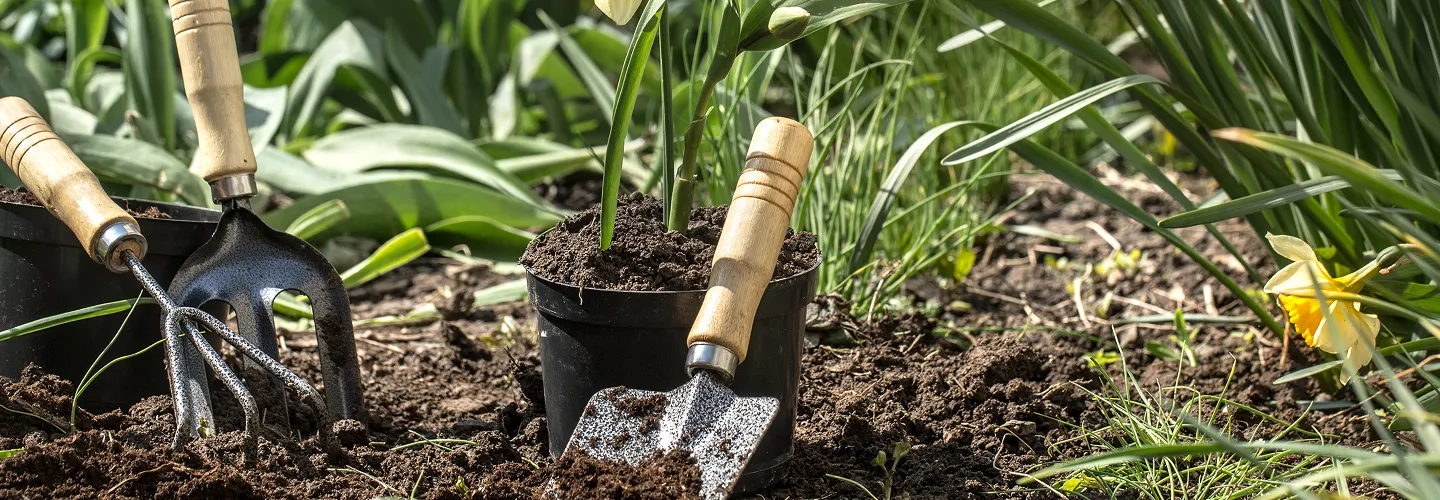
Attleboro Flower Planting Services
Choose our flower planting services for vibrant, expertly arranged blooms that enhance your curb appeal and bring lasting beauty to your outdoor spaces.
Get a Free QuoteWhen to Schedule Flower Planting in Attleboro, Massachusetts – Seasonal Guide
In Attleboro, Massachusetts, timing your flower planting is essential for vibrant, long-lasting blooms. The region’s climate features cold winters and warm, humid summers, making early spring and late summer the most favorable periods for planting. Local frost dates typically extend into late April, so it’s best to wait until after the last frost to plant annuals and tender perennials. Neighborhoods like Dodgeville and the area near Capron Park often experience microclimates due to tree coverage and proximity to water, which can affect soil temperature and moisture retention.
Attleboro’s landscape varies from shaded lots in South Attleboro to sunnier, open spaces near Highland Park. Soil types can range from sandy loam to heavier clay, impacting drainage and root development. When planning your planting schedule, consider local environmental factors such as drought risk during midsummer, humidity levels, and municipal watering restrictions. For more detailed local climate data and gardening resources, visit the Sudbury town website.
Local Factors to Consider for Flower Planting in Attleboro
- Proximity to mature trees and resulting shade coverage
- Soil type and drainage (sandy, loamy, or clay soils)
- Average last frost date (late April)
- Summer drought risk and humidity levels
- Terrain and elevation differences across neighborhoods
- Municipal watering restrictions and guidelines
- Precipitation patterns throughout the growing season
Benefits of Flower Planting in Attleboro
Enhanced Curb Appeal
Seasonal Color Variety
Expert Plant Selection
Low-Maintenance Solutions
Eco-Friendly Landscaping
Increased Property Value
Attleboro Flower Planting Types

Perennial Flower Beds
-
Annual Flower Displays
-
Native Wildflower Gardens
-
Shade Garden Plantings
-
Pollinator-Friendly Plantings
-
Seasonal Bulb Planting
-
Container Flower Arrangements
Our Flower Planting Process
Site Evaluation
Soil Preparation
Plant Selection
Careful Planting
Watering and Mulching
Why Choose Attleboro Landscape Services
-
Attleboro Homeowners Trust Us
-
Expert Lawn Maintenance
-
Reliable Seasonal Cleanups
-
Competitive Pricing
-
Professional Team
-
Satisfaction Guarantee
-
Personalized Service
Contact Attleboro’s Department of Public Works for Garden Material Disposal & Composting Program Integration
Proper garden material disposal in Attleboro is essential for environmental stewardship and compliance with local and state regulations. Residents should separate packaging materials such as cardboard and containers for municipal recycling, while unused soil and amendments may be disposed of through residential waste services. Plant debris, including leaves and trimmings, is accepted during the city’s seasonal yard waste collection (April–November) in biodegradable paper bags—plastic bags are prohibited per MassDEP guidelines. For information on collection schedules, compost availability, and volunteer beautification programs, coordinate with:
Attleboro Department of Public Works
101 Lamb Street, Attleboro, MA 02703
Phone: (508) 223-2221
Official Website: Attleboro Public Works – Highway Division
The department also partners with the Attleboro Parks & Recreation Department and local Master Gardener volunteers to support community garden initiatives and sustainable landscaping efforts.
Comprehensive Soil Assessment & Amendment Protocols for Attleboro’s Glacial Till
Attleboro’s soils are predominantly glacial till, characterized by a mix of clay, silt, and gravel with naturally acidic pH (5.5–6.5). Before planting, a comprehensive soil analysis is required through the UMass Soil & Plant Nutrient Testing Lab, assessing pH, NPK, organic matter, and micronutrients. Most flowering plants thrive at pH 6.0–7.0; lime (preferably dolomitic for magnesium) should be added to raise pH as needed. Amend with 2–4 inches of compost, tilled to 8–10 inches depth, targeting 5–8% organic matter. Evaluate drainage, microclimate, and existing vegetation using the USDA Web Soil Survey. Documenting baseline conditions ensures long-term horticultural success.
Massachusetts Conservation Commission Requirements for Flower Planting Near Protected Areas & Water Resources
Planting near wetlands, streams, or other protected resources in Attleboro requires strict adherence to the Wetlands Protection Act (M.G.L. c. 131, § 40). Activities within 25–50 ft buffer zones may necessitate a Request for Determination of Applicability (RDA) or Notice of Intent (NOI) through:
Attleboro Conservation Commission
77 Park Street, Attleboro, MA 02703
Phone: (508) 223-2222 x3145
Official Website: Attleboro Conservation Commission
Erosion controls (silt fencing, straw bales, mulching) are mandatory. Coordinate with the MA Division of Fisheries & Wildlife for rare species and avoid work during bird nesting season (March 15–August 31) in sensitive habitats. Consult the Massachusetts Stormwater Handbook for additional compliance.
Professional Plant Selection Standards & Native Species Prioritization for Attleboro’s Climate Zone 6b
Attleboro’s climate falls within USDA Zone 6b, with cold winters and warm, humid summers. Prioritize native Massachusetts species such as Rudbeckia (black-eyed Susan), Echinacea (coneflower), Aster spp. (New England aster), Monarda (bee balm), and Asclepias (milkweed) for pollinator support and resilience. Select plants based on site-specific criteria: sun/shade, moisture, salt tolerance (for areas near treated roads), and deer resistance. Favor disease-resistant varieties and plan for seasonal succession to ensure continuous bloom. Avoid invasive species as listed by the MA Invasive Plant Advisory Group to protect local ecosystems.
Professional Installation Standards, Planting Techniques & Quality Assurance in Attleboro
Professional installation in Attleboro should be performed by a Massachusetts Certified Landscape Professional when possible. Plant crowns must be set at soil level, with spacing appropriate for mature size. Backfill with a blend of native and amended soil, and water thoroughly with 1 inch immediately after planting to settle roots. Apply 2–3 inches of mulch, keeping it at least 3 inches from plant crowns to prevent rot—avoid the “mulch volcano” effect. Use only nursery-grown, disease-free, and properly hardened-off plants. A one-year warranty is standard for professional installations, ensuring quality and accountability.
Seasonal Planting Calendar & Weather Coordination for Attleboro’s New England Climate
The optimal planting window in Attleboro is spring (April–May), once soils are workable and free from standing water. Monitor late frost risks using the National Weather Service Boston/Norton or Albany forecasts. Fall planting (September–early October) is ideal for perennials, allowing root establishment before winter; avoid planting less than six weeks before the first hard freeze. Summer planting is discouraged except for container-grown plants with intensive watering. Be mindful of Nor’easters and freeze-thaw cycles, which can impact soil structure and plant survival.
Water Management Guidelines & Irrigation Coordination with Attleboro Water Department
Efficient water management is vital for sustainable gardens. Coordinate irrigation system installation and backflow prevention with:
Attleboro Water Department
1296 West Street, Attleboro, MA 02703
Phone: (508) 223-2225
Official Website: Attleboro Water Department
Drip irrigation is preferred, offering 30–50% greater efficiency than overhead systems. Rain sensors are mandatory, and seasonal restrictions (such as summer drought bans) are common. Water early in the morning (5:00–9:00 AM) to minimize evaporation. During establishment, water 2–3 times weekly for 3–4 weeks with deep soaking to encourage robust root growth. Backflow prevention is required under MA 248 CMR 3.00.
Pollinator Protection & Native Plant Habitat Creation in Attleboro
Supporting pollinators is a key component of sustainable gardening in Attleboro. Incorporate native plants such as milkweed (Monarch host), coneflower, aster, goldenrod, and bee balm to provide nectar and larval food sources. Design gardens for diverse bloom periods and avoid double-petal cultivars, which offer less pollen. Refrain from using neonicotinoids and avoid all pesticide applications during bloom. Collaborate with organizations like the Massachusetts Audubon Society and participate in local pollinator initiatives to enhance habitat connectivity and biodiversity.
Post-Planting Care, IPM Integration & Long-Term Garden Management in Attleboro
The first 3–4 weeks after planting are critical for establishment, requiring daily monitoring for moisture and stress. Integrated Pest Management (IPM) is recommended: prioritize cultural controls (mulching, proper spacing), then mechanical (handpicking pests), biological (introducing beneficial insects), and chemical methods only as a last resort. Common pests include aphids, slugs, and Japanese beetles; diseases such as powdery mildew and botrytis may occur. Utilize the UMass Extension Plant Diagnostic Lab for diagnostics. Regular maintenance includes deadheading, dividing perennials every 3–5 years, fall cutback, and spring cleanup.
What Neighborhoods Do We Serve Throughout Attleboro, MA?
Attleboro’s neighborhoods each present unique horticultural opportunities and challenges. Downtown and Capron Park areas experience urban heat island effects and may require drought-tolerant species. South Attleboro features sandy soils and higher salt exposure, while Dodgeville and East Attleboro have heavier clay and silt, necessitating drainage improvements. Briggs Corner and West Attleboro are characterized by sheltered valleys and proximity to wetlands, requiring careful plant selection and compliance with MS4 stormwater regulations. Each area’s infrastructure, such as irrigation access and staging, as well as maintenance expectations (HOA or municipal contracts), should be considered in garden planning.
Attleboro Municipal Ordinances for Garden Installation Equipment Operation & Commercial Service Standards
Garden installation in Attleboro is governed by municipal ordinances to ensure safety and environmental compliance. Equipment operation is typically permitted 7:00 AM–6:00 PM weekdays and 9:00 AM–5:00 PM Saturdays, with Sunday restrictions common. Commercial services must hold a valid business license and, if applying pesticides, a Massachusetts Department of Agricultural Resources (MDAR) Category 36 applicator license. Insurance requirements include a minimum $1 million general liability and $2 million aggregate coverage. Safety protocols mandate right-of-way permits, traffic control, and personal protective equipment (PPE). All debris must be properly disposed of—street dumping is strictly prohibited. For regulatory guidance, contact:
Attleboro Building Inspection Department
77 Park Street, Attleboro, MA 02703
Phone: (508) 223-2222 x3252
Official Website: Attleboro Building Inspection Department